
Is Burger King going to market Modernist Cuisine’s ultimate cheeseburger, or is Modernist Cuisine going to reveal the secret recipe for the Whopper? Mm.

20 Saturday Nov 2010
Posted in uncategorized
Is Burger King going to market Modernist Cuisine’s ultimate cheeseburger, or is Modernist Cuisine going to reveal the secret recipe for the Whopper? Mm.
12 Friday Nov 2010
Posted in MC at home, recipes, sous vide, vacuum sealing
Tags

Last month I began to cook my way through the upcoming Modernist Cuisine cookbook by using their PDF excerpt they made available for download. Out of the three recipe examples given, only two have enough information to make them in their entirety. First I created their recipe for instant hollandaise. Next up: their selection of recipes for smooth purees. Out of the five fruits and vegetables listed, three are prepared sous vide. I decided to do those first, because any chance to use my vacuum sealer makes it worthwhile for it to take up a huge chunk of my counter space. The saute recipes will be covered in Part II.
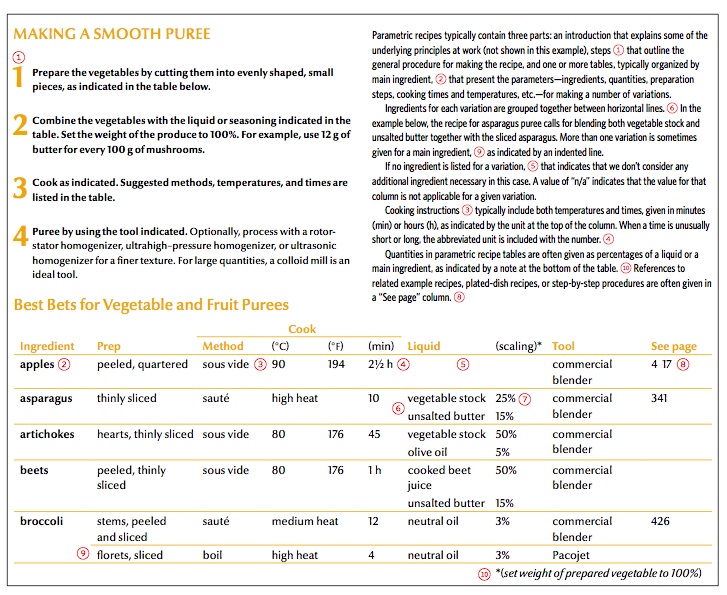
Let's Get Smooth
The recipe for pureed fruits and vegetables is an example of what they call a parametric recipe. This type of recipe gives a basic concept with several variations in an at-a-glance format. This way you can understand the basic concept and run with it. As they say in the excerpt:
We feel the parametric recipe is a strong concept for an instructional cookbook. Such a recipe does more than merely suggest methods for making one dish the same way again and again— it reveals the pattern and reasoning behind the chosen ingredients and methods, and thus makes it clearer how to apply those lessons in other circumstances. The parametric recipe thus takes the master recipe to a more detailed level, and serves as a launching point that allows you to change ingredients and quantities in a number of ways to produce dozens of variations.
That’s right up my alley – taking these new techniques and understanding the fundamental idea behind them, so they can be applied to whatever I’m cooking. I love this book already, and it’s only a PDF file.

Well, wouldn’t you know it. Artichokes are out of season around here at the moment (the peak season is August through October). But we have a variety of different grocers; there must be someone who has some. Sure enough, Whole Foods had some packaged baby artichokes available. Is one package enough? I eyeballed it and thought it looked OK to me.
The process was simple enough: get the hearts out and thinly slice them, vacuum seal them with vegetable stock and olive oil, and drop them in a sous vide bath. The scaling directions are so great. You set the veggie to 100%, and add the other ingredients in the correct proportion, no matter how big or small the quantity. In my case, these baby artichokes didn’t give up much in the way of meat, but I dutifully went ahead and prepared them.
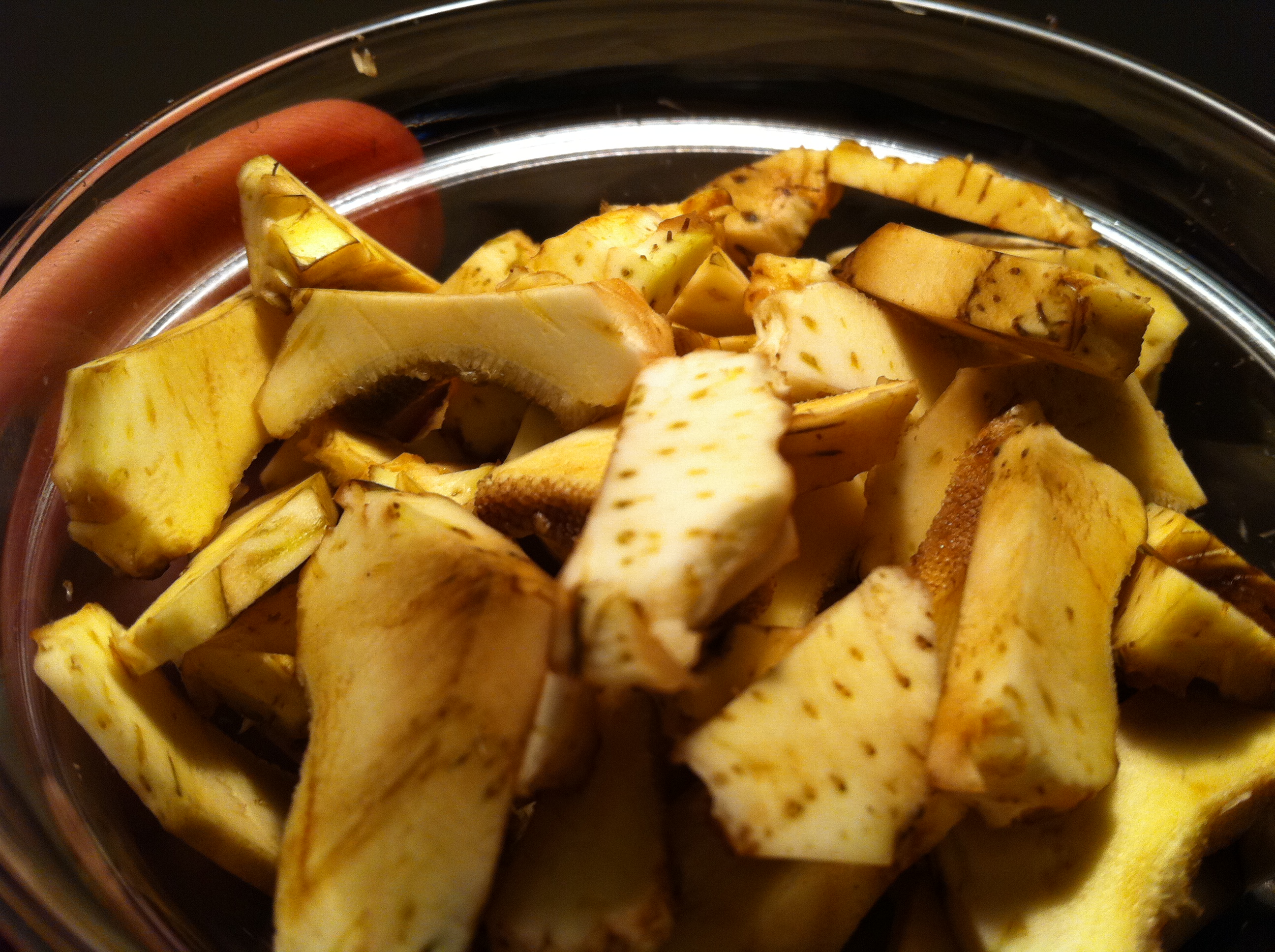
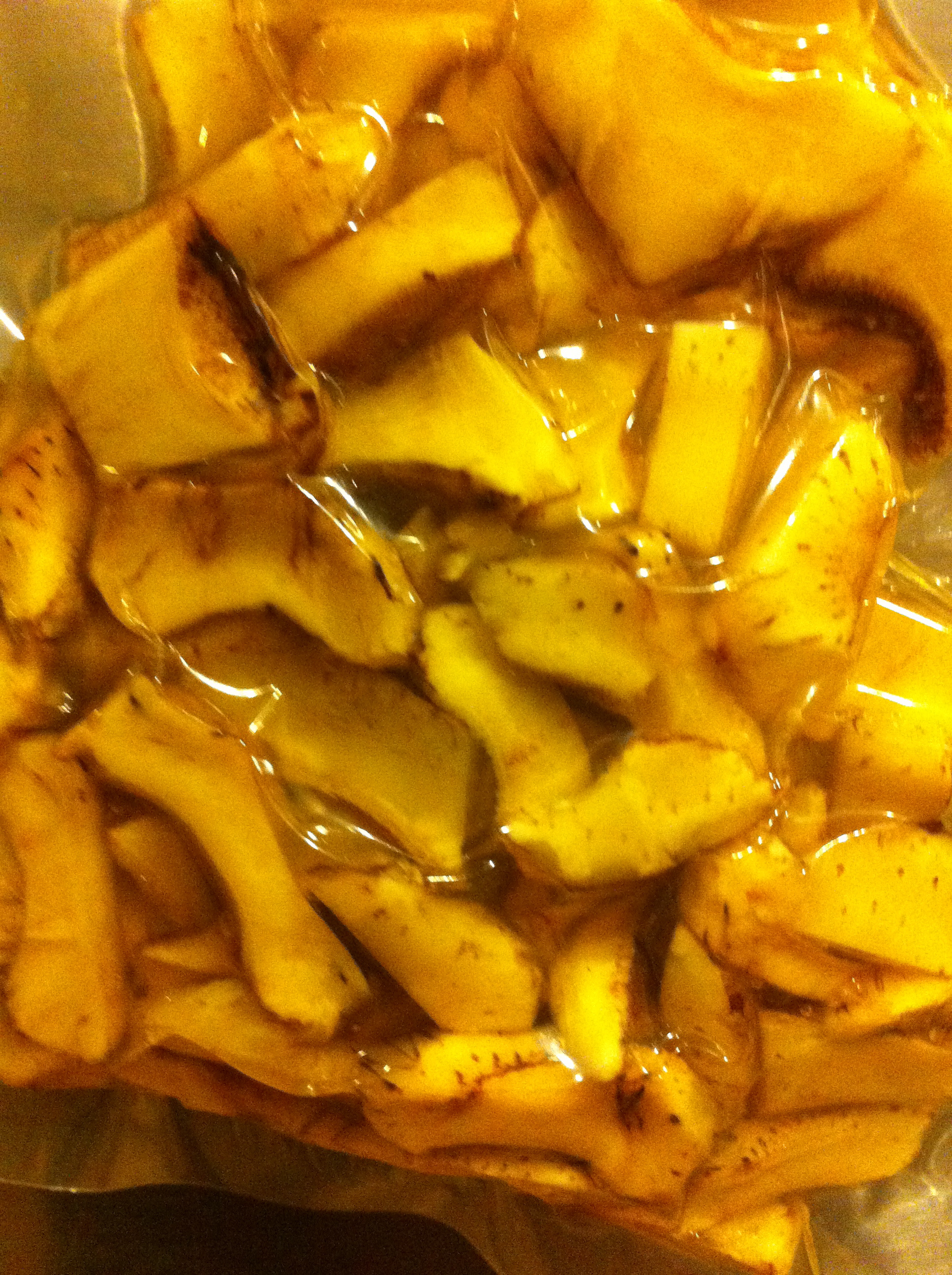
After sitting in the water bath for 45 minutes, I put them in the blender, and promptly had my first puree fail.
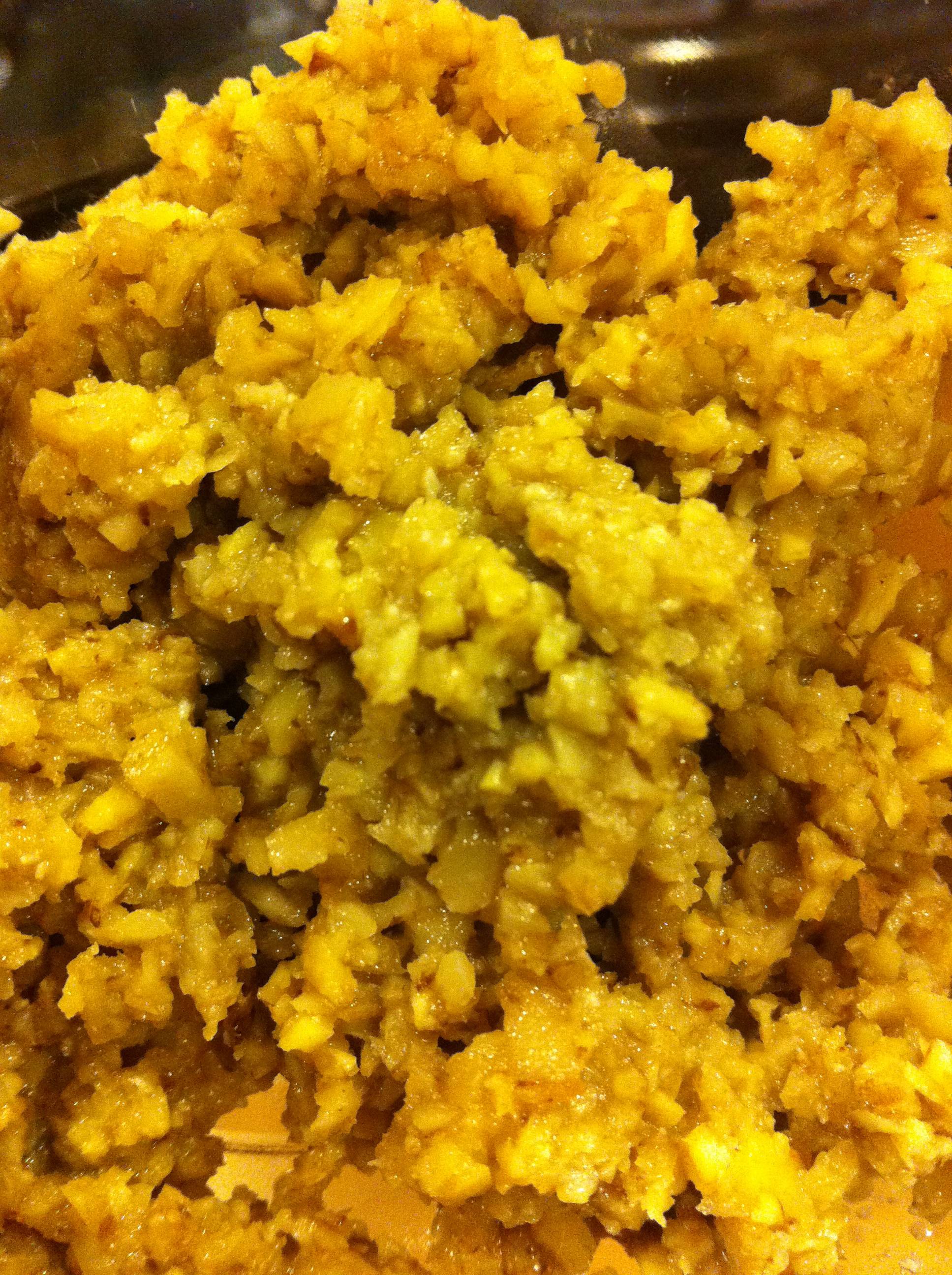
Does This Look Smooth To You? Yeah, Me Either.
Turns out that you really need more than a few baby artichokes to create the volume necessary for the blender to blend well. I’m just a guy cooking at home and this recipe is aimed at culinary professionals who need to crank out 400 covers a night. The recipe just doesn’t account for single servings. Fair enough. I’ll have to wait until they’re back in season and try it again. It was a decent enough spread and I ate it within a few bites.
Undaunted, I moved ahead to the next one on the list (and conveniently needing the same temperature water bath). Once again, the first part of the directions was simple enough: peel and thinly slice some beets.
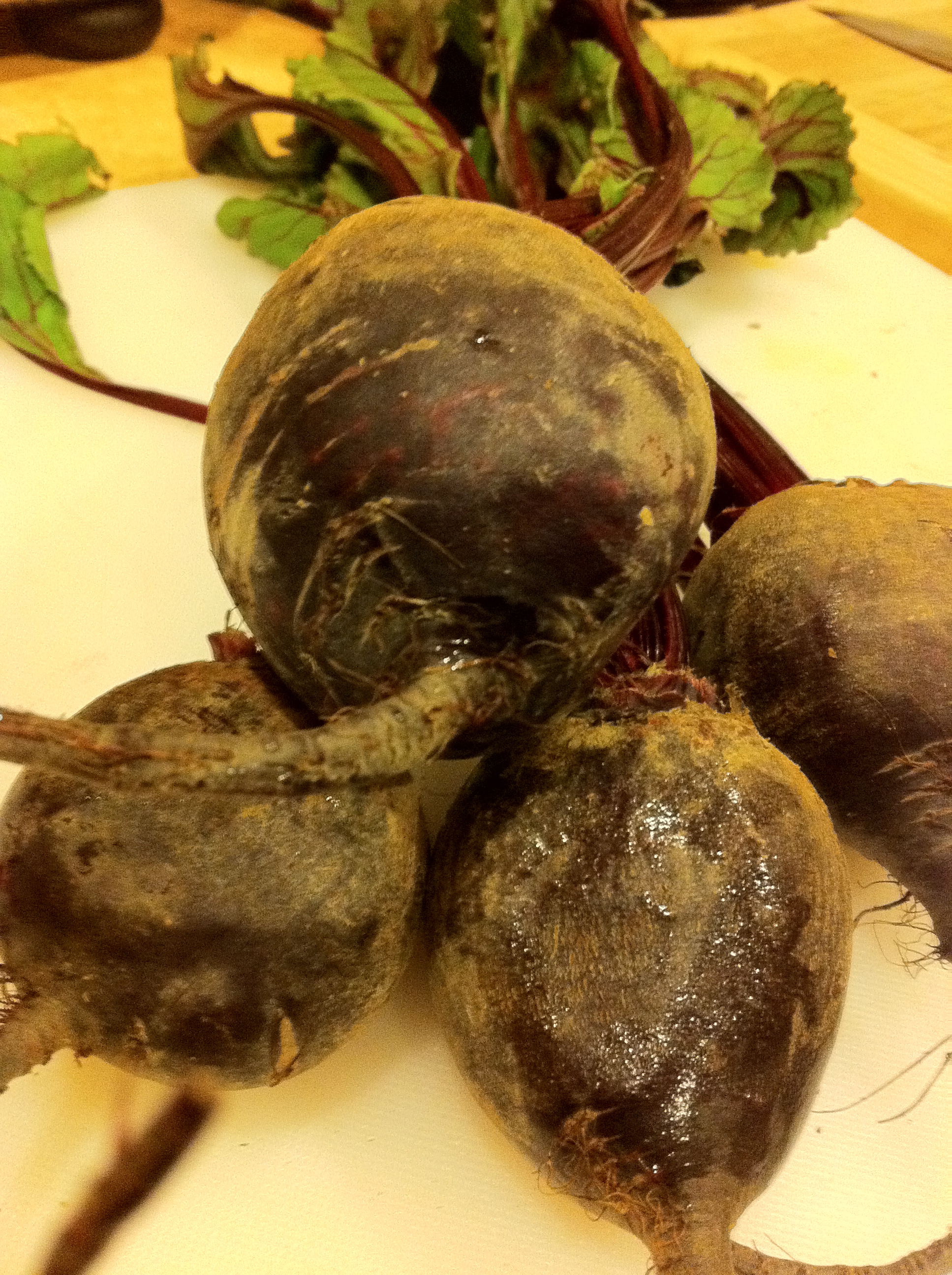

The next ingredient was interesting: cooked beet juice. Why cooked beet juice? As the book isn’t published yet, I don’t know. Well, OK then. I juiced a beet and cooked the juice. All this fuschia foam developed and floated on the juice. Should I discard it? Probably. So I skimmed the top, added the juice to the beets with butter (all carefully measured with a digital scale of course) and sealed it up.


After an hour in the sous vide bath, I pulled it out and put it in the blender, where unlike the artichokes, it did its magic well.

I had my first puree of sous vide beets. It definitely had that earthy beet flavor, and an intense bright color , but the texture was a bit…oh, grainy? Maybe sandy is a better word. Somehow I was expecting a texture like pudding – perfectly smooth. Is this the correct texture? Perhaps when the recipe calls for a commercial blender, they mean a Vitamix or Blendtec mixer. Most likely it’s meant as a base for something else, and not meant to be eaten alone. I don’t know for certain, but certainly, it isn’t bad at all – just not what I was expecting. As a matter of fact, I see a borscht in my near future.

A Beautiful Beet Puree
So the final recipe that called for sous vide was the apples. These required no other ingredients. Just slow cooked apples. I like the simplicity. I chose a mix of Red Delicious and Granny Smith apples. Peeled and quartered, I sealed them up and put them in.
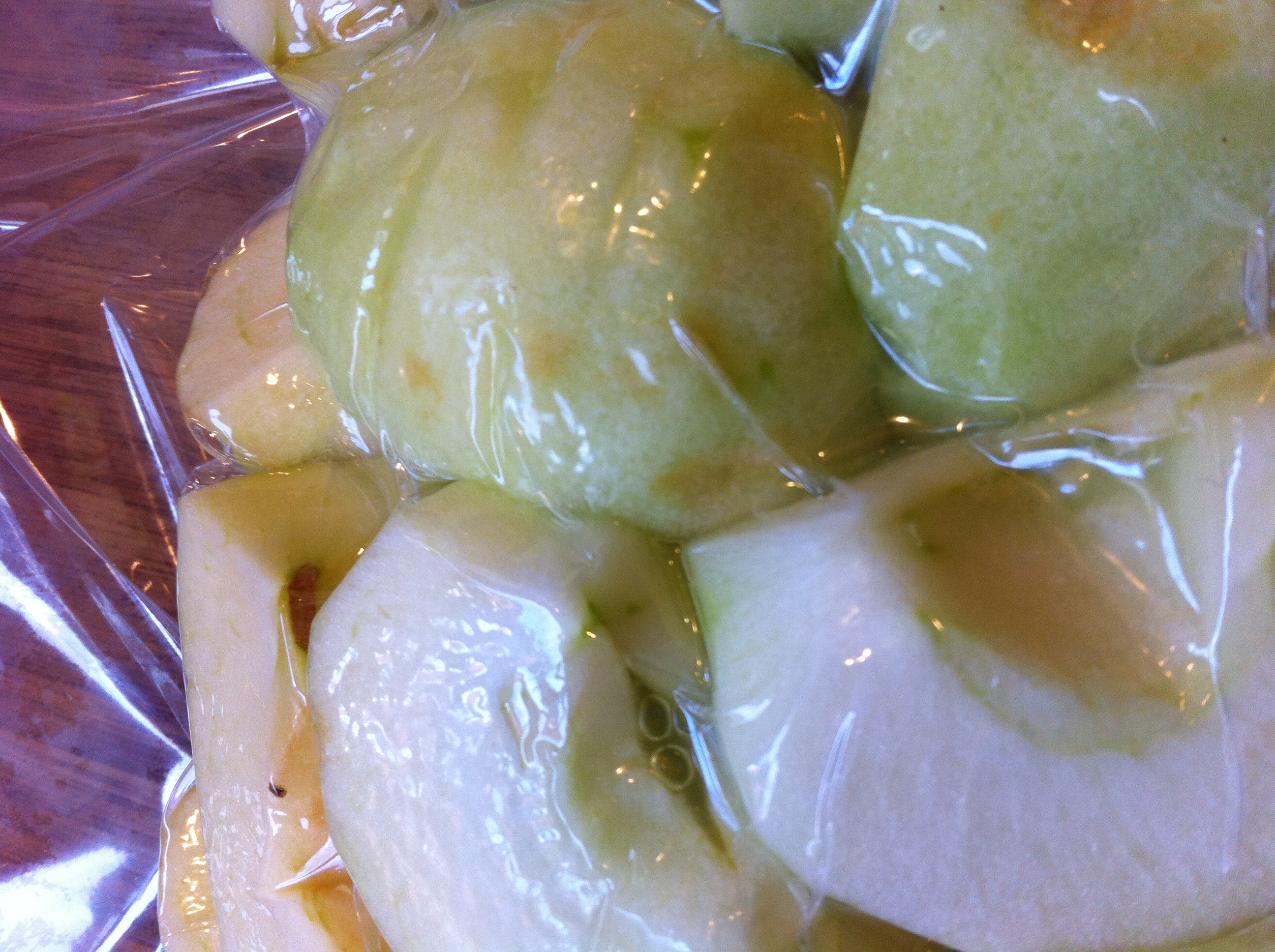
After they were done I blended them together and…wow. Sous vide apple sauce. So smooth, so creamy. Just ridiculously good.

This Tastes So Good. Whoa.
It’s funny how the texture improved with each progressive recipe. I felt like Goldilocks – “Ahhh, this porridge is just right!” And now, because of the parametric recipe, I know how to apply it to other fruit and vegetables like pears and carrots as well. I am loving this cookbook that isn’t published yet. Awesome.

Jethro
18 Monday Oct 2010
Posted in foams, MC at home, recipes, sous vide, vacuum sealing
Earlier this month the Hunger Intervention Program in Seattle held Feeding The Soul 2010. For just a $25 donation, an eight course meal was served by chefs Brian McCracken and Dana Tough from Spur Gastropub and the culinary team from Intellectual Ventures – Maxime Bilet, Grant Crilly, Sam Fahey-Burke, Anjana Shanker and Johnny Zhu. The chefs from Intellectual Ventures are, along with Nathan Myhrvold and Chris Young, behind the upcoming “cookbook” Modernist Cuisine: The Art and Science of Cooking, due for release next March. A chance to eat their food and meet them as well? Done deal.
The food was delicious and I had a chance to briefly speak with all of them. I introduced myself and told them about this blog and how we at Jet City Gastrophysics are planning to cook our way through the entire cookbook. There were some eyebrows raised and a “good luck” thrown my way. True, I don’t have a freeze dryer or a rotary evaporator, but that doesn’t mean I can’t at least acquire access to one somehow. Where there is a will, there is a way.
And, true to my word, I have begun to cook my way through it.
It’s not published yet – how is that possible? On August 13th, they put out a 20 page excerpt of the massive tome available for download from their website. I’m sure like me, gastronomes across the world downloaded and quickly got to reading the first pages of the 2400 that will be available in March 2011.
The excerpt is from the fourth section of the first chapter of the first volume, entitled The Story Of This Book. It goes into detail of the origins of Nathan Myhrvold’s research into sous vide techniques online to the development of a full time cooking staff and publishing house to put out the work. Next they explain the photography, a step by step review of each volume, and then on to the recipes they developed and the special format that they are in. And to illustrate, they printed some example recipes. Recipes waiting to be used.
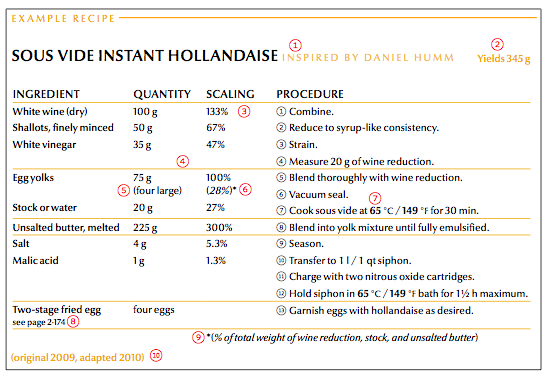
An Example Recipe. Just Waiting To Be Made.
There are three recipe examples: Sous Vide Instant Hollandaise, Making a Smooth Puree, and Monkfish with Mediterranean Flavors. Each recipe is an example of the three types of recipes found in the book: Example, Parametric and Plated Dish. Example recipes are considered the shortest and simplest, intended as components for other dishes. Parametric recipes focus on a particular ingredient or characteristic – or, as they call it, a parameter. The idea is to take a concept in its simplest form and show, at-a-glance, the variations of that concept (I was in web development for years, and their application of design for visual information is excellent. I wonder if they had Edward Tufte consult on the project). Finally, the plated-dish recipe brings it all together so you can create an entire dish from a single recipe.
From the three examples, the monkfish recipe calls for components that they did not show: Pâte à Choux, Zucchini Blossom Beignet, Fish Spice Mix and so on. So that left the other two. I decided to start with the shortest and simplest: Sous Vide Instant Hollandaise.
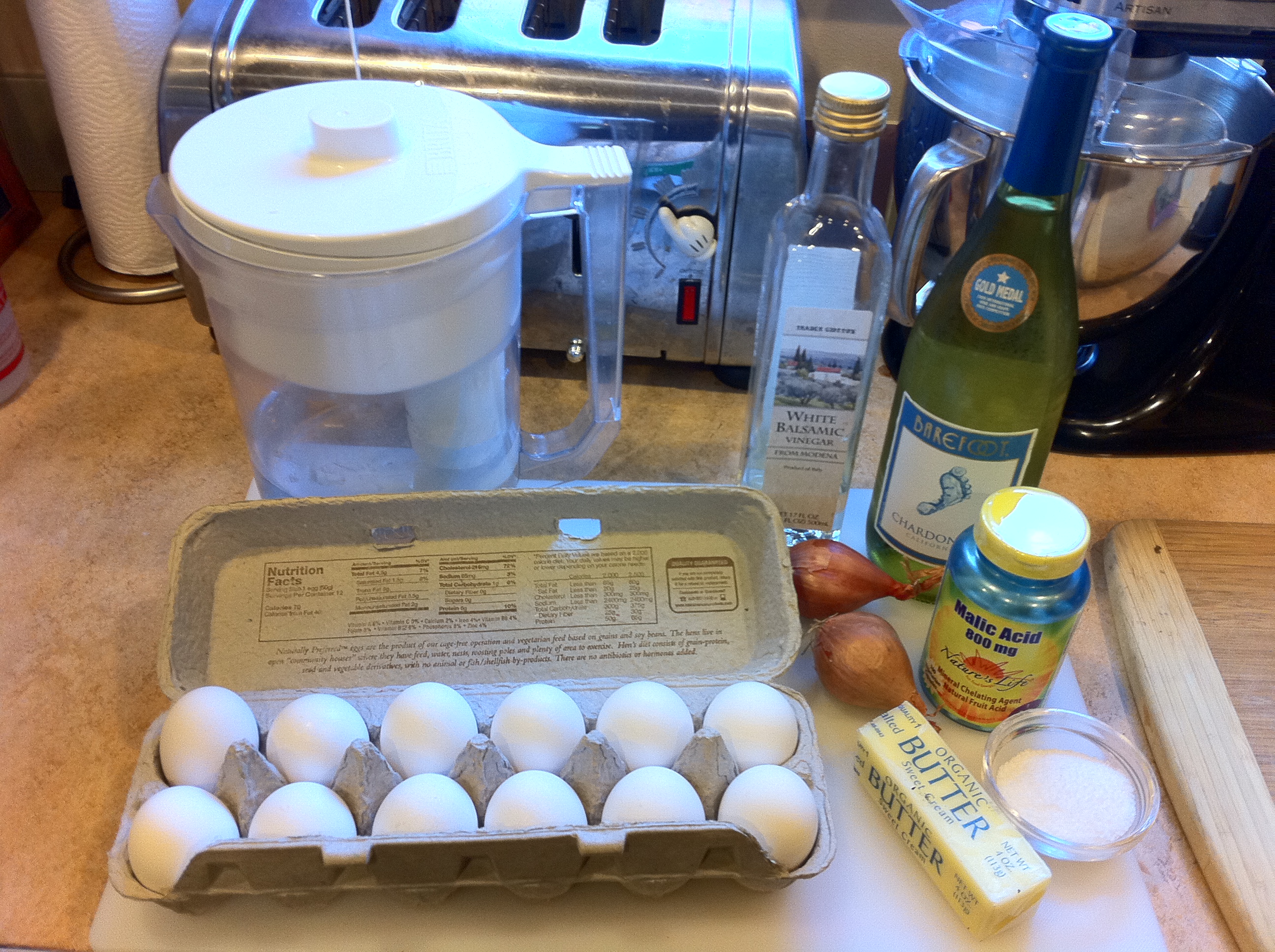
The Cast Of Characters
I collected the ingredients necessary and started in. The format is really straightforward and easy to understand. Of course, that meant I had to screw it up immediately.
As per the recipe, I put together the white wine, white vinegar and minced shallots in a pan and began to reduce them down to a syrup-like consistency. But, it wasn’t getting syrupy. The liquid kept dissipating, but the onions weren’t breaking down. And soon I had a thick gop of caramelized onions and nothing else. How did this happen?
3. Strain.
Oh. Um, yeah. So I did it again, and pulled out 20g of onion flavored wine reduction.

Next up I took four egg yolks and blended them with the reduction and water. I did not measure out the egg yolks by weight. The recipe gave me an easy out by offering four large egg yolks as a measurement, and I took it. I put the mixture in a bag and vacuum sealed it. It fit in one of the small bags I have, and it sealed just in the knick of time before the ingredients boiled over into my vacuum sealer, creating both a big mess and having to start again from scratch.

A Close Call
I plopped the sealed bag into the sous vide bath for 30 minutes. For the butter, I used what Chef Richard Blais calls one of the more underutilized kitchen instruments: the microwave. In 40 seconds my melted butter was ready. I took the packet out of the water, mixed its contents in with the butter, then added salt and malic acid.
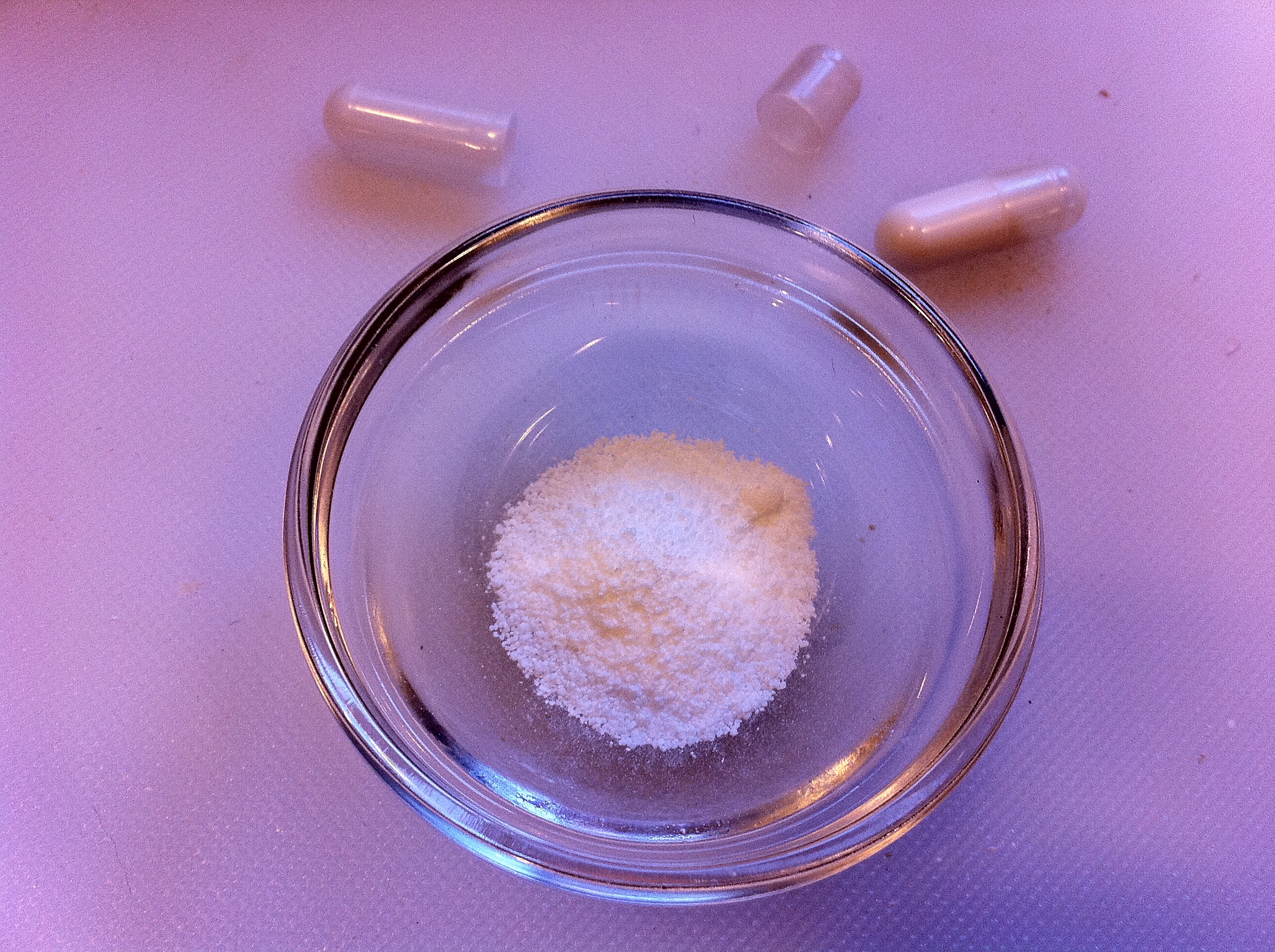
Mmmmm. Malic Acid.
What is Malic acid and what is it doing in my hollandaise sauce? Malic acid is the main acid found in unripe apples, cherries and many other fruits and vegetables. As an ingredient, it is supposed to add a distinct sourness, has a lower melting point than other acids and is more soluble than citric acid, which is also a sour flavor enhancer. Why it is specifically included in this recipe? I have no idea. We’ll all have to wait until the book comes out. But in the meantime, you can find it a your local vitamin supplement store. This means you’ll have a lot of Malic acid lying around – 100 tablets worth. It is also supposed to stimulate metabolism and increase energy production, so if you work out a lot, maybe it will help you burn calories. I don’t know, just a thought. I mean, after all this hollandaise sauce. Anyway.
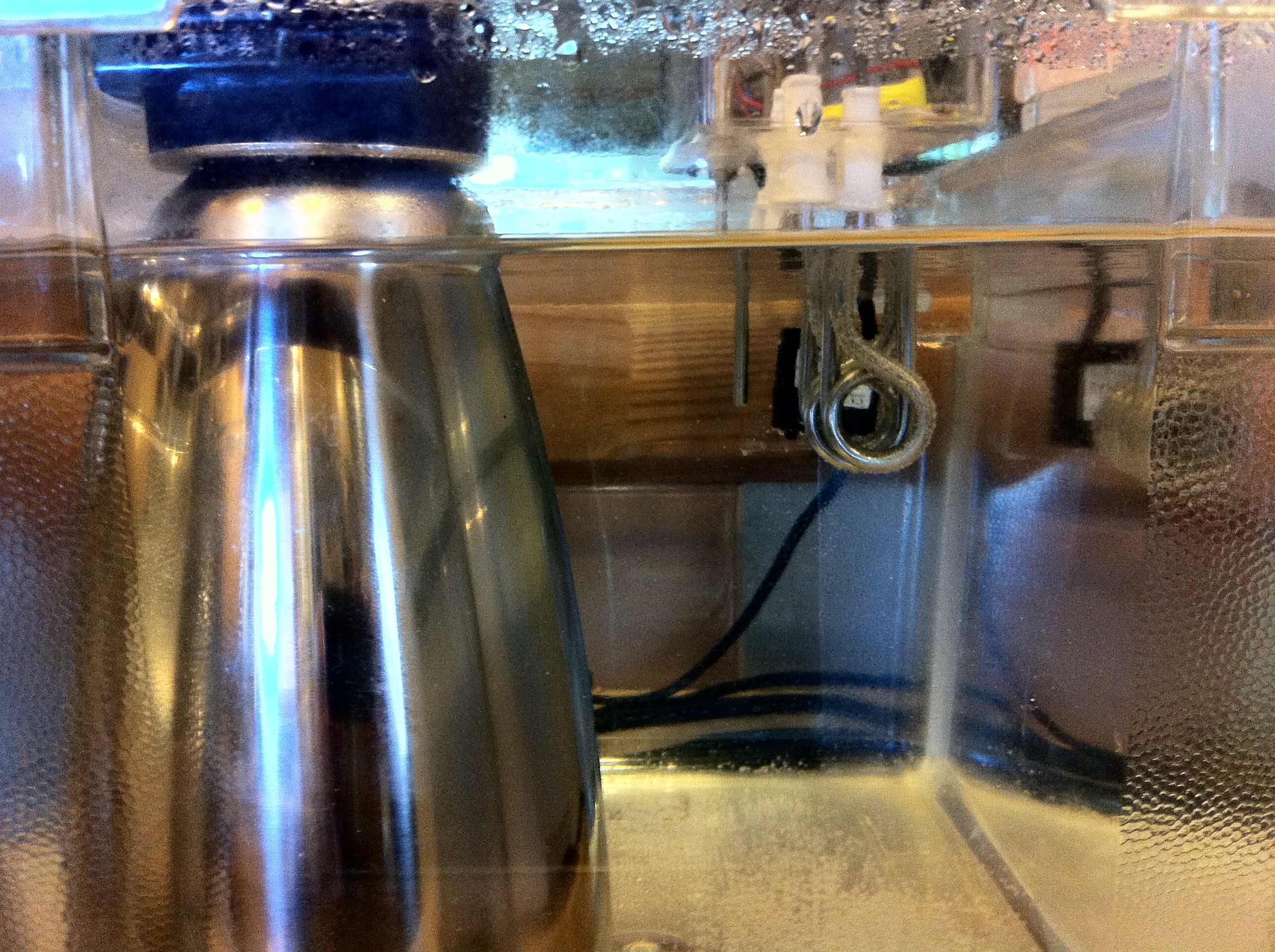
I poured the mixture into my ISI Thermo Whip and placed it back in the bath to keep it warm. Next on the example recipe is something called a two-stage fried egg, which references another part of the book. So having no idea (yet) what a two-stage fried egg is about, I decided to poach an egg, fry some ham, toast a muffin, and spray some hollandaise.

Eggs Benedict, Modernist-ish
Is is not creamy like your usual hollandaise, but a thick foam. The texture is definitely different and calls for unique plating or pairing. When you have a traditional dish like the one above and one of the textures is not what you expect, it jumps out at you. I’m curious how it will taste with a two-stage fried egg.
Also, the name is a bit misleading. You can make traditional hollandaise in 10 minutes with a blender. This took 30 minutes for the sous vide alone, plus another 15-20 minutes for the rest. It is instant in the fact that you can just walk up with your cream whipper and blast out sauce on demand. At least for 90 minutes – that’s the maximum time you’re supposed to keep the cream whipper hot. Once again, the example recipe is all we have at this point – I’m sure the supporting text will provide the context.
Regardless, it is delicious. I loved it. The recipe does yield a large amount – something like 1 1/2 cups. And that’s prior to foaming up – I could have served 10 people with all that I made. I sprayed the rest into a container and put it in the fridge. Then it gave me a little surprise: it settled, cooled and made an awesome hollandaise flavored whipped butter. I had it today on some toast as a little snack. Scrumptious.
So the first step in the thousand mile journey of cooking through Modernist Cuisine: The Art and Science of Cooking has been taken. I’m looking forward to the adventure.
Jethro

 Jet City Gastrophysics